Seasonal Unemployment Examples
If you’ve ever wondered why some people lose their jobs during certain times of the year, or maybe you’ve even experienced it yourself, you’re not alone. This situation has a name — seasonal unemployment — and it affects millions of workers around the world.
In this guide, I’ll break everything down for you in a simple, friendly way, just like I’d explain it to a beginner friend. I’ll also share personal insights and real-life examples so you can fully understand why it happens and what you can do about it.
What Is Seasonal Unemployment?
Seasonal unemployment happens when people work in industries that only need them during certain months of the year. When that busy season ends, the job ends too — even though the workers didn’t do anything wrong.
Think of it like businesses hitting a “pause button” until demand comes back.
If you’ve ever worked a holiday job, picked up summer work, or lived in a tourist-heavy area, you’ve probably seen this happen up close.
Common Seasonal Unemployment Examples
Here are some everyday, real-life examples that make this concept super easy to understand.
1. Tourism and Holiday Travel
Tourist areas have “high seasons” and “low seasons.” For example:
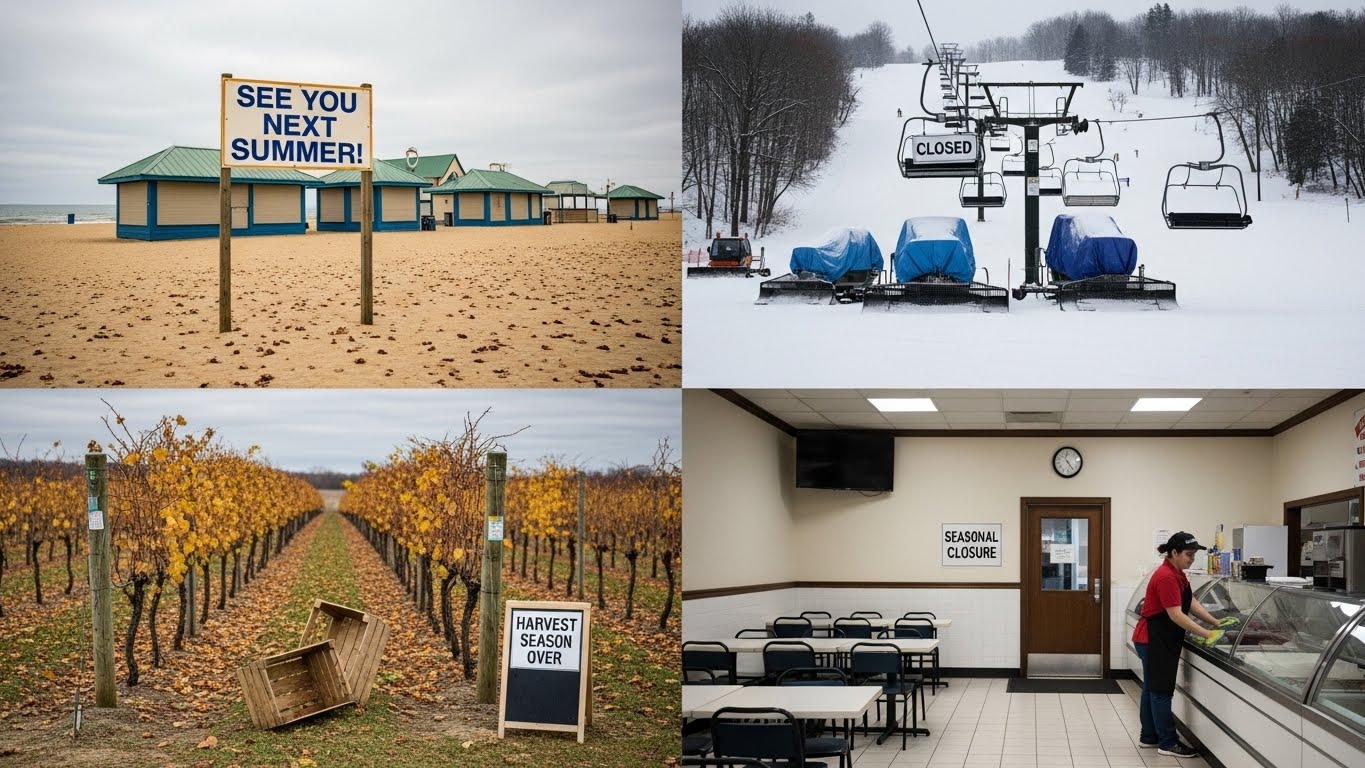
- Beach towns get tons of visitors in the summer but quiet down in winter.
- Ski resorts explode with tourists in the winter but slow down once the snow melts.
During the off-season, hotels, restaurants, and tour companies often cut staff simply because there aren’t enough customers.
2. Agricultural Work (Farming Jobs)
Farming is one of the biggest sources of seasonal unemployment. Workers are needed during:
- Planting season
- Harvest season
But after the crops are picked, those jobs disappear until the next cycle begins.
I grew up watching people in my hometown face this every year. They’d work incredibly hard for three months and then spend the next weeks looking for anything part-time just to stay afloat.
3. Holiday Retail Jobs
Stores hire extra workers during:
- Black Friday
- Christmas
- New Year sales
- Back-to-school season
Once the rush is over, many temporary workers are let go because traffic slows down.
4. Construction Work
In many cold-weather countries, construction slows down during winter. It’s not because companies don’t want to build — it’s simply unsafe or impossible due to snow, ice, or low temperatures.
5. Fishing and Outdoor Activities
Jobs tied to nature depend heavily on seasons:
- Fishing seasons
- Camping and outdoor adventure parks
- Summer sports activities
When the weather changes, the work disappears too.
Why Seasonal Unemployment Isn’t Always a Bad Thing
Sure, it can feel stressful — especially when you’re depending on that income. But seasonal unemployment also has some upsides:
- It gives workers a predictable schedule.
- Many people plan vacations or passion projects during off-seasons.
- Some industries pay higher wages during peak months.
- It allows students or part-time workers to earn money during busy seasons.
In other words, it’s not always negative. It just depends on your expectations and planning.
Practical Tips to Handle Seasonal Unemployment
If you or someone you know deals with this every year, here are some helpful steps:
1. Diversify Your Income
Try finding a second skill you can use in the off-season:
- Freelancing
- Tutoring
- Online business
- Babysitting or pet care
- Home services (cleaning, painting, repairs)
Even small income streams reduce stress.
2. Save During Peak Months
This is the hardest part—but trust me, it makes a huge difference. If you know work will slow down, try setting aside a small percentage of your earnings during the busy months.
3. Look for Cross-Season Jobs
Some people combine two jobs that fit opposite seasons. For example:
- Construction in summer + warehouse work in winter
- Beach tourism in summer + holiday retail in December
This strategy helps keep your income steady year-round.
4. Upskill During the Off-Season
Take online courses, learn new tools, or build a portfolio. Seasonal downtime can become your opportunity for long-term growth.
Personal Insight: What I’ve Seen Working Online
As a digital creator (like Ghulam Muhiudeen), I’ve talked to many workers who struggle every year with seasonal unemployment. One thing I learned is this:
Seasonal unemployment feels scary only when you don’t expect it. When you plan ahead, it becomes manageable — sometimes even beneficial.
Some of the most successful freelancers and small business owners I’ve met actually started using their off-season to reinvent themselves. And you can do the same.
Conclusion: You Can Handle Seasonal Unemployment With the Right Plan
Seasonal unemployment is not a failure — it’s simply a cycle. Understanding how it works helps you prepare smarter, earn confidently, and avoid unnecessary stress.
If you’re dealing with seasonal unemployment, remember this:
You’re not alone. You’re not stuck. And you have plenty of ways to turn the slow season into your season of growth.
Next step: If you want, I can help you create a strategy to stay productive and earn income during your off-season — just ask!