structural unemployment in rural areas
Understanding structural unemployment in rural areas: A Simple, Human Guide
- Understanding structural unemployment in rural areas: A Simple, Human Guide
- What Is Structural Unemployment in Rural Areas? (Explained Like You're My Friend)
- Why Rural Areas Suffer More Than Cities
- Real-Life Example (Something I Saw Personally)
- Signs Your Community Is Facing Structural Unemployment
- How Rural Communities Can Fight Back (Practical Tips)
- What You Can Do Personally (Even If You Feel Stuck)
- Final Thoughts: There Is Hope — Even When It Feels Like Everything Is Changing
If you’ve ever lived in a small town or a quiet countryside community, you know one uncomfortable truth: sometimes jobs disappear… and they never come back. Not because people don’t want to work, but because the world around them changes.
That reality has a name — structural unemployment in rural areas — and it affects millions of people more than we talk about.
As someone who has seen this struggle up close (yes, I’m Ghulam Muhiudeen), I want to break this down for you in the simplest, most honest way possible. Whether you’re trying to understand what’s happening in your community or looking for ways to rebuild your future, this guide is for you.
What Is Structural Unemployment in Rural Areas? (Explained Like You’re My Friend)
Structural unemployment happens when people’s skills no longer match the kind of jobs available. And in rural areas, this problem hits even harder.
Imagine this:
- Your town used to live from farming… but machines replaced many jobs.
- A factory closed because production moved abroad.
- Tourism slowed down, and nobody invested back into the community.
- Young people left for the city and never returned.
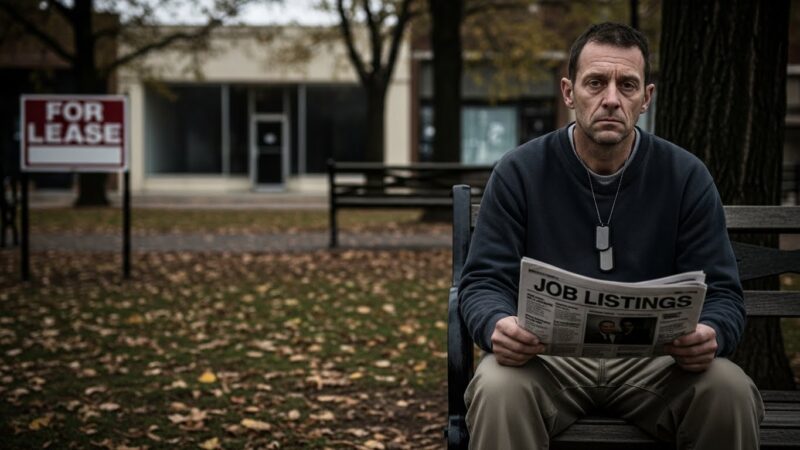
Suddenly, you have people willing to work — but the jobs they are qualified for simply don’t exist anymore.
That’s structural unemployment in the simplest terms.
Why Rural Areas Suffer More Than Cities
Here’s the tough part: when change hits rural zones, it hits deeper.
Fewer industries to fall back on
In cities, if one business closes, there are hundreds more. But in rural areas, there may be only two or three major employers.
Limited access to new training
Learning new digital or technical skills is harder when:
- Internet is slow
- Courses are far away
- Transportation is limited
Young people migrate
When the younger generation leaves, the local economy gets weaker, schools shrink, and investments slow down.
Technology replaces traditional jobs
Farming, fishing, and manual labor are becoming more automated.
And without new types of jobs to replace the old ones, people get stuck.
Real-Life Example (Something I Saw Personally)
I remember visiting a farming town where almost everyone worked in sugarcane fields. For years, life felt stable. But then automated harvest machines arrived.
Suddenly, dozens of workers lost their jobs — not because they were lazy or unskilled, but because the system changed faster than they could adapt.
Some tried moving to the city. Others stayed and struggled. But the most heartbreaking part?
Many didn’t know how to retrain, or even where to start.
Signs Your Community Is Facing Structural Unemployment
You’ll notice things like:
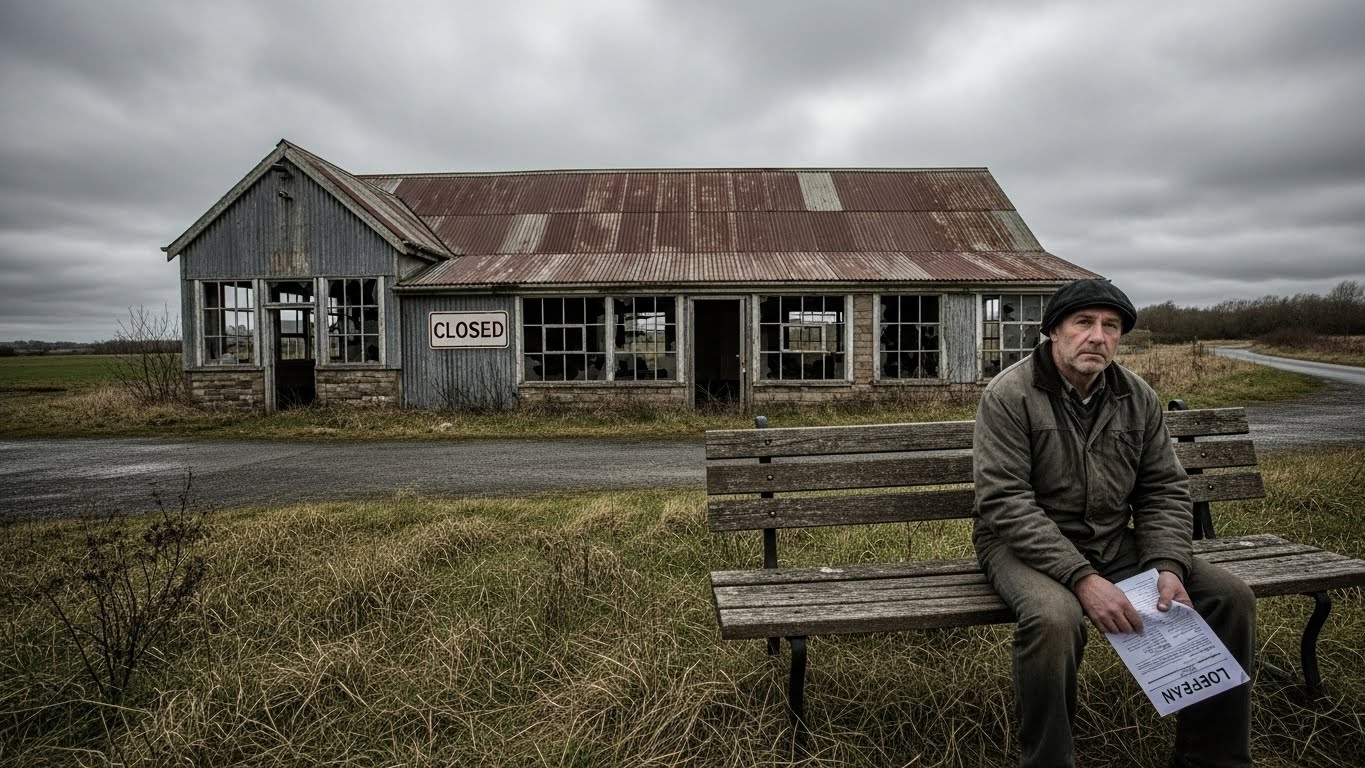
- Closed-down factories
- Abandoned shops
- Fewer young families
- Older workers unable to find jobs
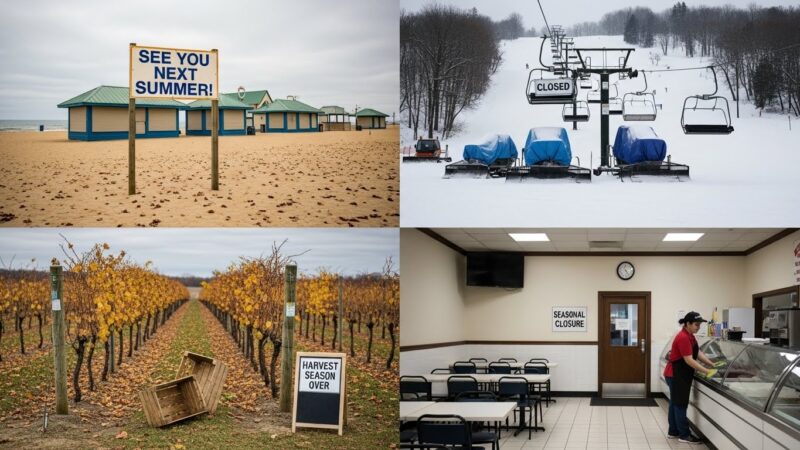
- Growing dependence on seasonal work
- People moving away permanently
If this sounds like your area, you’re not alone — and there are steps forward.
How Rural Communities Can Fight Back (Practical Tips)
1. Encourage skill retraining
Even free online platforms (like Coursera, YouTube, Google courses) can help someone learn:
- Digital marketing
- Solar panel installation
- Remote customer service
- Basic coding
- Freelancing skills
Small steps can open big doors.
2. Support local entrepreneurship
Many rural economies revive when people create small businesses:
- Local food production
- Eco-tourism
- Online shops
- Repair services
- Small transportation services
One business can spark a ripple effect.
3. Improve internet access
Believe it or not, good internet is one of the strongest tools against unemployment. It unlocks:
- Remote work
- Online courses
- Digital businesses
It’s not just a luxury — it’s survival.
4. Bring in partnerships
Communities can work with:
- NGOs
- Government projects
- Universities
- Tech companies
These partnerships often help create training centers, innovation hubs, or farm-tech programs.
5. Promote modern agriculture
Instead of abandoning farming, many towns succeed by modernizing it:
- Organic farming
- Hydroponics
- Crop diversification
- Agri-tech tools
It keeps traditions alive while staying future-ready.
What You Can Do Personally (Even If You Feel Stuck)
If you’re personally affected, here’s what helped many people I’ve coached:
- Learn one new skill every month (small steps matter).
- Join online communities for support.
- Consider part-time remote work.
- Don’t feel embarrassed to start fresh — everyone begins somewhere.
- Ask for help when needed.
Your situation does not define your worth. You’re adapting to a changing world, and that takes real courage.
Final Thoughts: There Is Hope — Even When It Feels Like Everything Is Changing
Structural unemployment can make rural life feel uncertain, but it doesn’t mean the future is lost. With new skills, community effort, better connectivity, and a mindset of adaptation, rural areas can rebuild strong, modern, and sustainable economies.
And you — yes, you reading this — have more potential than you think. One new opportunity, one new skill, or one new business idea can change everything.
If this topic touched you, share it with someone in your community. Awareness is the first step to rebuilding.