Understanding unemployment among veterans
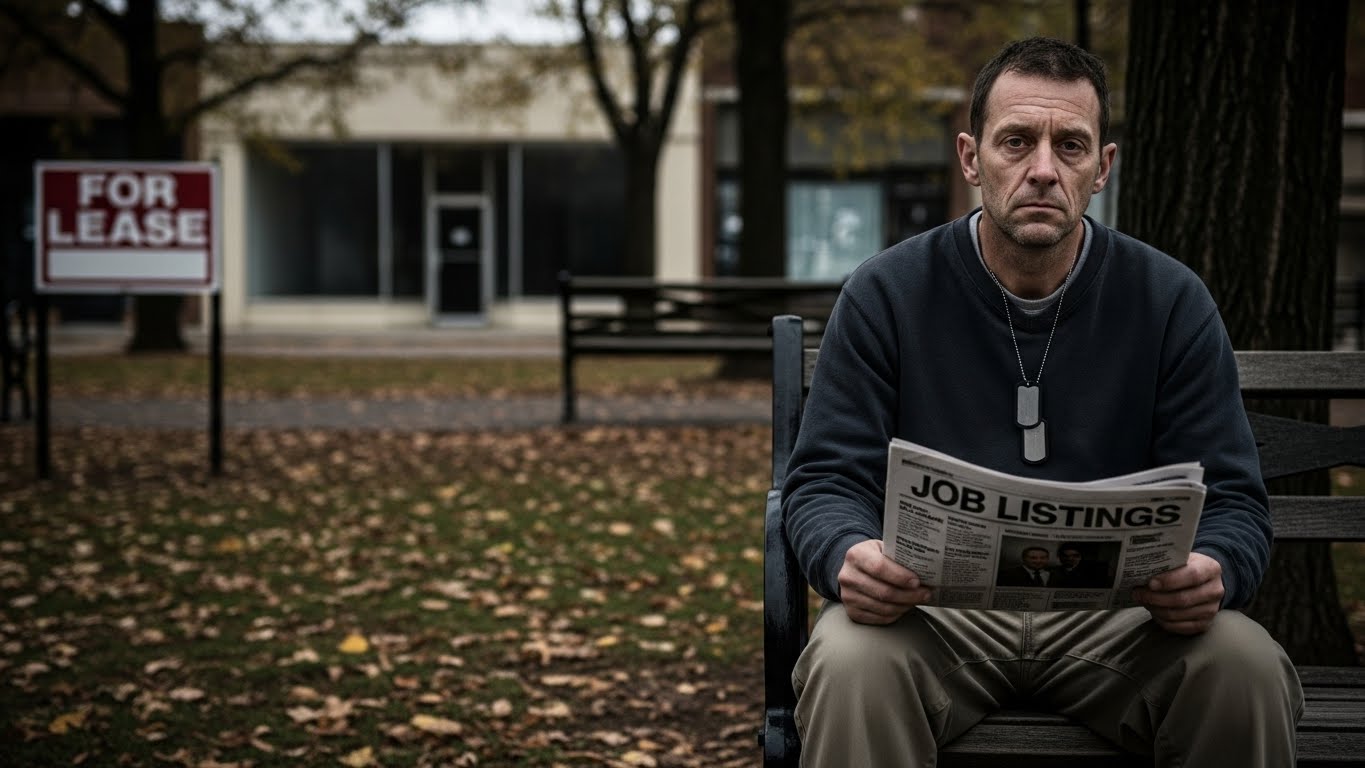
If you’ve ever talked to a veteran who’s trying to adjust back to civilian life, you already know one thing: the transition isn’t always smooth. Many veterans come home expecting to start fresh, build a stable career, and support their families—yet they end up facing something they never imagined: unemployment.
As someone who has listened to these stories, researched them deeply, and connected with veteran communities online, I want to walk you through what’s really happening and how you (or someone you love) can get through it with confidence.
Why Veterans Face Higher Unemployment
Transitioning from military life to a civilian job isn’t as simple as updating a résumé. There are emotional, professional, and even cultural barriers that make the process tough.
1. Military skills don’t always translate easily
A veteran may have:
- Led large teams
- Managed millions in equipment
- Worked under pressure
- Solved problems in life-or-death situations
…but civilian employers may not understand how powerful those skills are.
It’s not that veterans “lack experience”—it’s that their experience isn’t always understood.
2. Employers often don’t know what a veteran is capable of
This misunderstanding can lead to:
- Being overlooked for jobs they’re qualified for
- Getting offered entry-level roles despite years of experience
- Having to “start over” in the workforce
Many veterans describe this as the most frustrating part of the job search.
3. Mental and emotional challenges can make job-hunting overwhelming
Not everyone deals with mental struggles—but adjusting to civilian life can bring:
- Stress
- Anxiety
- Loss of identity
- Difficulty adapting to new work cultures
This doesn’t mean they’re weak. It means they’re human.
The Real-Life Stories Behind the Numbers
Let me share something real.
A friend of mine, who served 12 years, once told me:
“In the Army, I had a purpose. Out here, I felt like I was applying for jobs where no one understood what I did.”
He had leadership skills, discipline, logistics expertise—yet he spent months job hunting.
This experience is incredibly common.
Thousands of veterans say they feel invisible during the hiring process. Not because they lack ability, but because the system isn’t built to translate their value clearly.
How Veterans Can Increase Their Job Opportunities
Here are practical, beginner-friendly steps that genuinely help.
1. Translate your military experience into civilian language
Instead of: “Led a platoon of 30 soldiers” Try: “Managed and trained a 30-person team to meet operational goals under high-pressure conditions.”
This small shift helps employers immediately understand your value.
2. Use veteran-focused job platforms
Some of the most helpful options include:
- Hire Heroes USA
- Veterans.gov
- Shift
- RecruitMilitary
- LinkedIn for Veterans (free premium)
Many veterans land their first civilian job using these platforms.
3. Network—even if it feels uncomfortable
Start simple:
- Connect with other veterans on LinkedIn
- Join local veteran organizations
- Attend job fairs that specifically welcome veterans
Your service is already a powerful networking story.
4. Seek career counseling programs
Great places to start:
- VA Vocational Rehabilitation
- Workforce development centers
- University veteran support offices
These programs help with résumés, interviews, training, and career planning.
5. Consider upskilling
Short courses or certifications can help you stand out, especially in fields like:
- IT & cybersecurity
- Logistics
- Project management
- Healthcare
- Skilled trades
Many veterans qualify for free or discounted training.
How Employers Can Do Better
Veterans bring reliability, loyalty, discipline, and leadership to the workplace. Businesses that hire veterans often report:
- Lower turnover
- Higher productivity
- Better teamwork
Employers can help by:
- Offering training for hiring managers
- Creating veteran support groups
- Matching veterans with mentors
- Expanding internship or “learn as you go” programs
Everyone wins when veterans get the opportunities they deserve.
Encouragement If You’re a Veteran Struggling With Unemployment
Let’s be honest: unemployment can break your confidence. It can make you question your worth. But please hear this clearly:
You have real value. Your experience matters. Your discipline, leadership, and resilience are rare and powerful.
Finding the right job isn’t a matter of “if.” It’s only a matter of when—and how you prepare.
Your service gave you strengths most people never develop. Don’t forget that.
Conclusion: A Better Future Is Possible
The issue of unemployment among veterans isn’t just a statistic—it’s a human story. And while the transition can be tough, the good news is this:
There are programs, tools, communities, and opportunities designed specifically to help veterans succeed.
If you’re a veteran, keep moving forward. If you know a veteran, support them. And if you’re an employer, give them the chance they’ve earned.